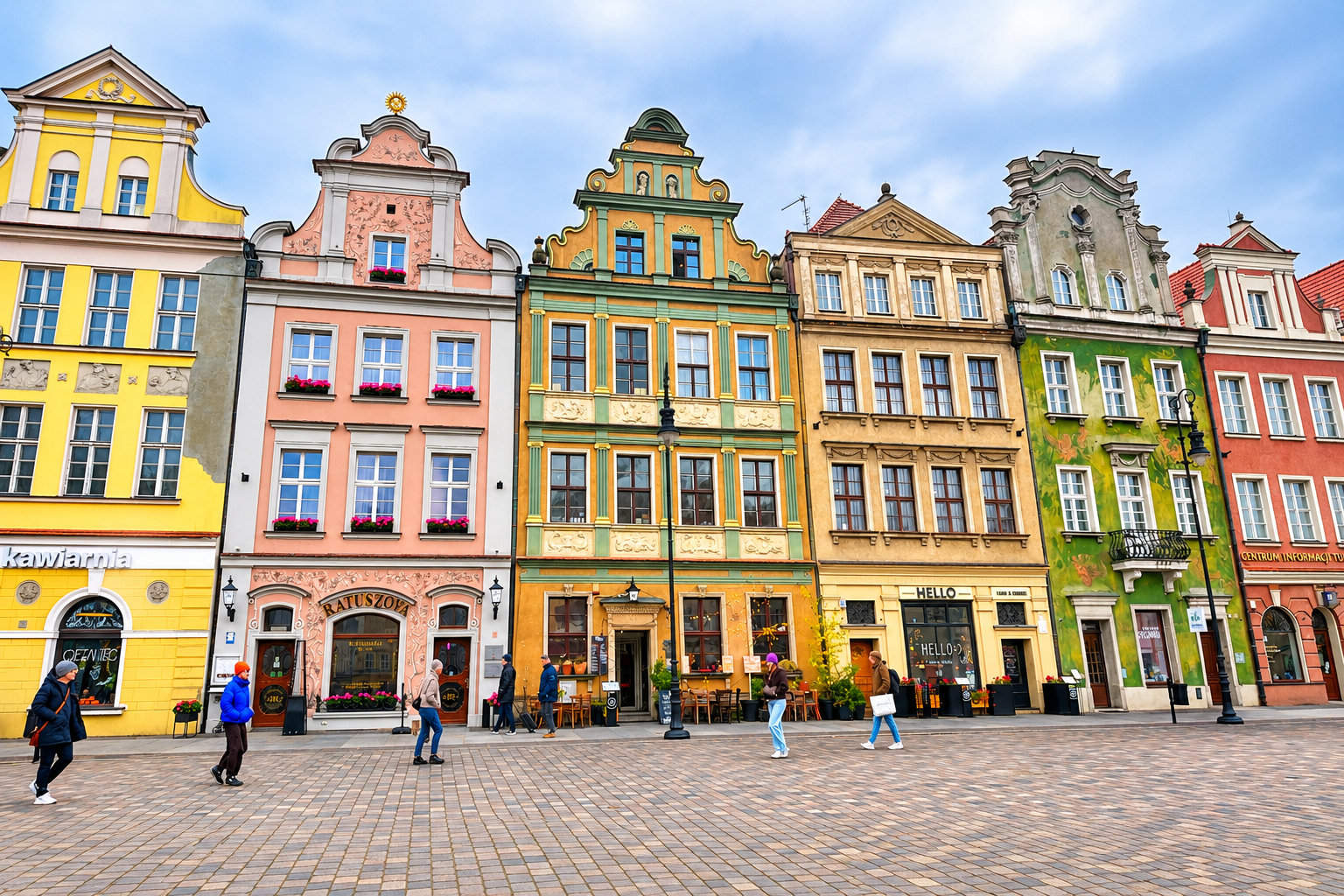
Poznań, Poland: Family Roots, History & Food
Home › Travel Talk › Poznań, Poland: A Journey Through My Family Roots, Polish History, and a Few Delicious Discoveries
Candius Stearns, November 15, 2026
Four nights in one of Poland's lesser-known cities turned into an unexpected personal journey, reminding me why I love discovering places beyond Europe's usual tourist destinations.
I just returned from four nights in Poznań, Poland, where I was invited by the European Travel Advisor Forum to join about 200 travel advisors for a familiarization trip, or FAM as we call it in the travel industry. These trips let us experience destinations firsthand, meet local travel partners, and discover places we might otherwise overlook when planning trips for our clients.
This particular trip was focused on Poznań, a historic city in western Poland that doesn't always make the typical American traveler's European itinerary.
Most people planning their first European vacation think of Italy, Greece, France, Spain, or the United Kingdom. And while I love those destinations, one of my goals with Stay Balanced Travel is to introduce travelers to places that offer just as much history, culture, and wonderful food without always following the same well-traveled routes.
But this trip meant something else for me.
I'm a fourth-generation daughter of German-Polish ancestry, and visiting this part of Poland gave me a chance to learn more about the history that shaped my family's journey to America.
A Visit to the Birthplace of Poland
My first full day in Poznań began with a private guide and a visit to Ostrów Tumski, also known as Cathedral Island, northeast of the city center.
This is one of the places where Poland's story as a nation began.
During the 10th century, the early Piast rulers established one of their most important strongholds here. Today, the island is home to the Cathedral Basilica of St. Peter and St. Paul, one of Poland's oldest churches and its oldest cathedral, with origins dating back more than 1,000 years.
Walking through the cathedral and surrounding historic area, I learned how closely the country's earliest history was tied to Christianity, its rulers, and the development of the Polish state.
What I found especially interesting was how much Poland's history has been shaped by neighboring countries, shifting borders, and its people's determination to preserve their culture.
For 123 years, from 1795 until 1918, Poland disappeared from the map as an independent country following its partition among neighboring powers. Yet Polish traditions, language, and national identity survived.
As I listened to our guide explain this history, I couldn't help thinking about my own ancestors and the decisions they made to leave Europe and begin a new life in Michigan.
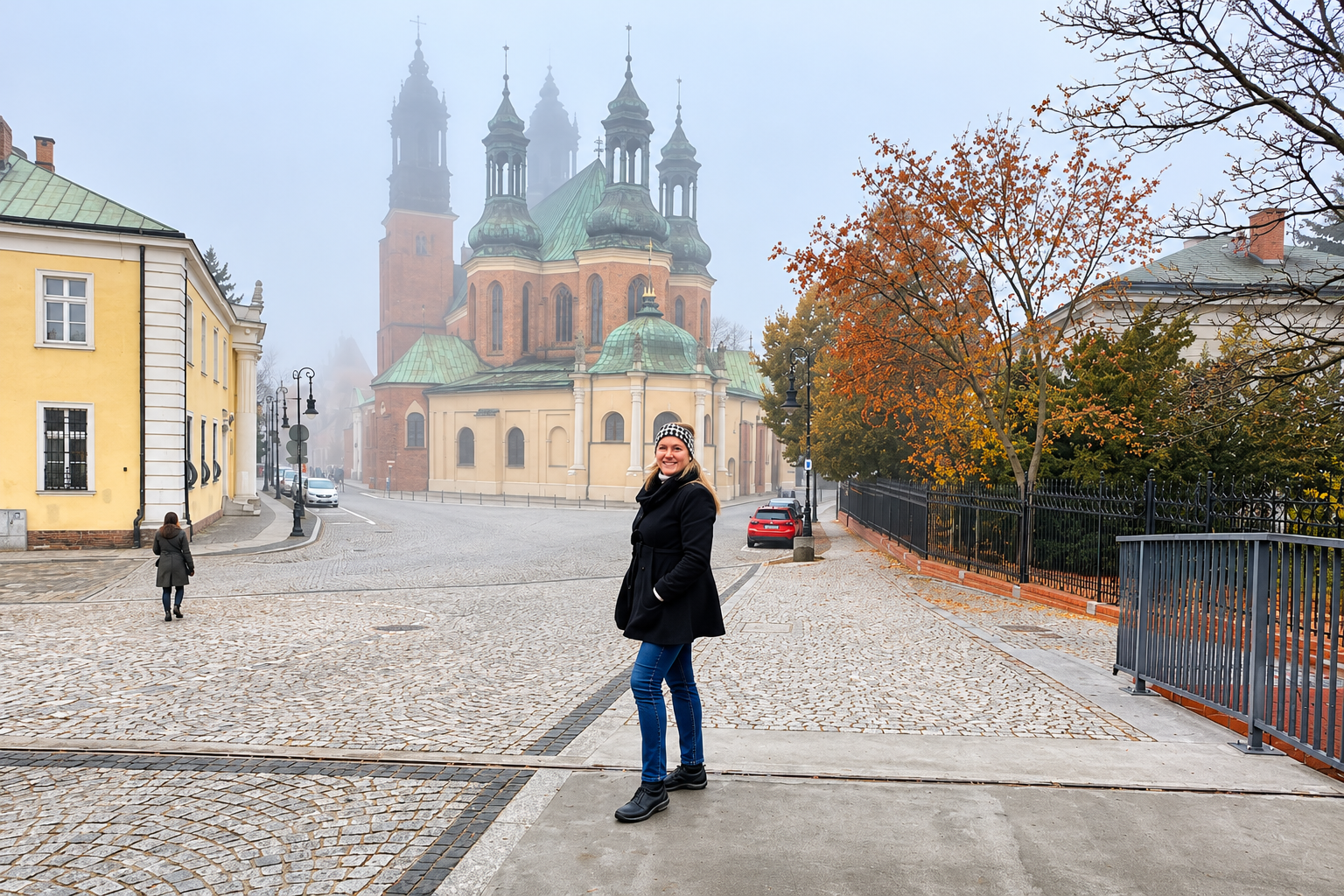
From Poland to a Michigan Farm: My Family's Story
My great-great-grandfather immigrated to Michigan and eventually worked for Henry Ford at the River Rouge plant.
He saved his earnings, including the famous five-dollar-a-day wages associated with Ford's early labor history, and eventually purchased a 300-acre farm in Croswell, Michigan.
That same farm is still in our family today. My brother and I own it and continue to farm the land that our family worked so hard to acquire generations ago.
Agriculture has always been part of my life, so learning that Poznań and the surrounding Greater Poland region have such strong agricultural traditions was particularly interesting to me.
The region is known for its farming, potatoes, and hearty regional cooking. Those might not be the first things most travelers think about when planning a European vacation, but for me, they created another connection between the place I was visiting and the life my family built in Michigan.
I don't know every detail of my ancestors' lives before they immigrated, and this trip certainly didn't answer all my genealogy questions. But it gave me a better understanding of the history and circumstances that shaped generations of Polish and German families.
Sometimes travel teaches us about places we've never been. Other times, it helps us better understand where we came from.
This trip did a little of both.
Exploring Poznań's Old Market Square, 16th-Century Style
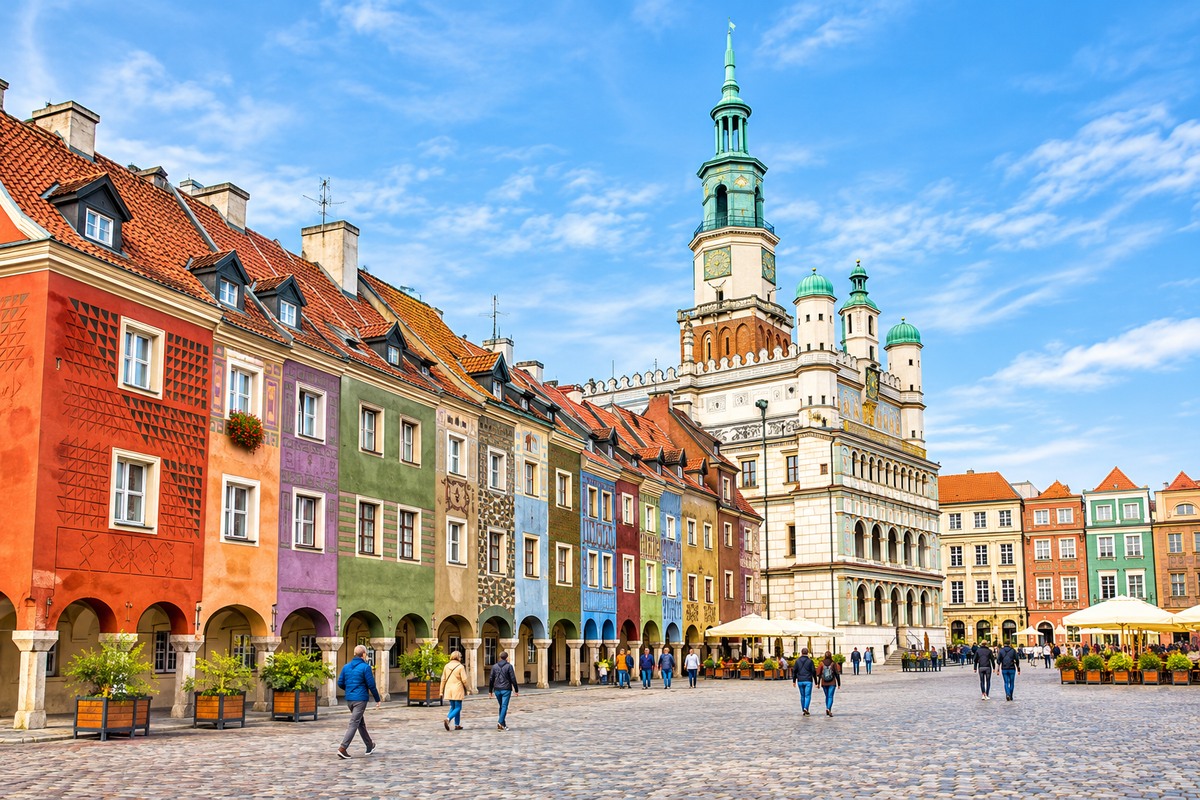
After visiting Cathedral Island, we headed into Poznań's Old Town, where the experience took a rather entertaining turn.
Our tour company arranged something different from the traditional walking tour. Our guides dressed in historical costumes and brought the city's 16th-century history to life through storytelling and role-playing.
Our small group was treated as though we were visiting barons and baronesses living in the city during the Renaissance!
It was a clever way to learn about the merchants, wealthy families, and daily life that once filled the town square. Instead of simply listening to dates and historical facts, we became part of the story.
At the center of Old Market Square stands Poznań's magnificent Renaissance Town Hall, considered one of the finest examples of Renaissance civic architecture north of the Alps.
The square is surrounded by colorful merchant houses, shops, cafés, and restaurants. What makes it even more remarkable is that much of this historic area was heavily damaged during World War II and later carefully reconstructed.
Today, the buildings reflect both the city's architectural heritage and the resilience of the people who rebuilt it. Naturally, when I spotted these colorful blue goat sculptures, I couldn't resist stopping for a photo!
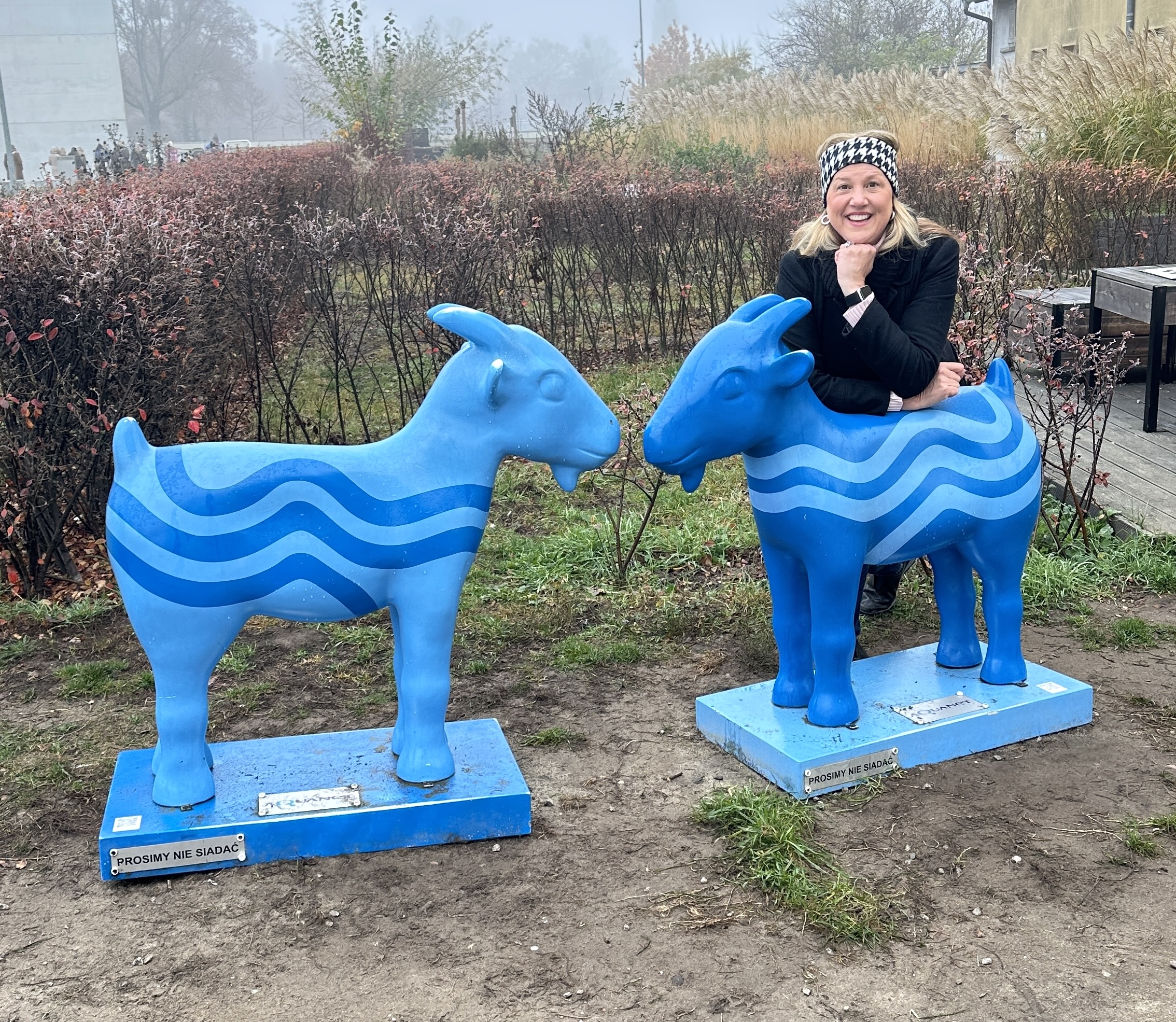
One of the Town Hall's most famous traditions is its pair of mechanical goats, which emerge above the clock at noon and butt heads. It's one of those quirky local traditions that makes exploring a new city memorable.
I particularly enjoyed the way our guides combined history with humor. It's exactly the kind of experience I look for when recommending private tours to clients because it makes a destination more meaningful than simply checking off another famous landmark.
Let's Talk About the Food, Especially the Croissants!
Anyone who follows my travels knows that food is one of my favorite ways to experience a destination.
Poznań certainly didn't disappoint.
The region is known for its potatoes, which appear in many traditional dishes, along with pierogi, roasted meats, hearty soups, mushrooms, and other foods that reflect its agricultural heritage.
But the local specialty that really caught my attention was the St. Martin's croissant, known in Polish as rogal świętomarciński.
I had the opportunity to learn how this famous pastry is made, and it is far more involved than the typical croissant you might pick up at a bakery.
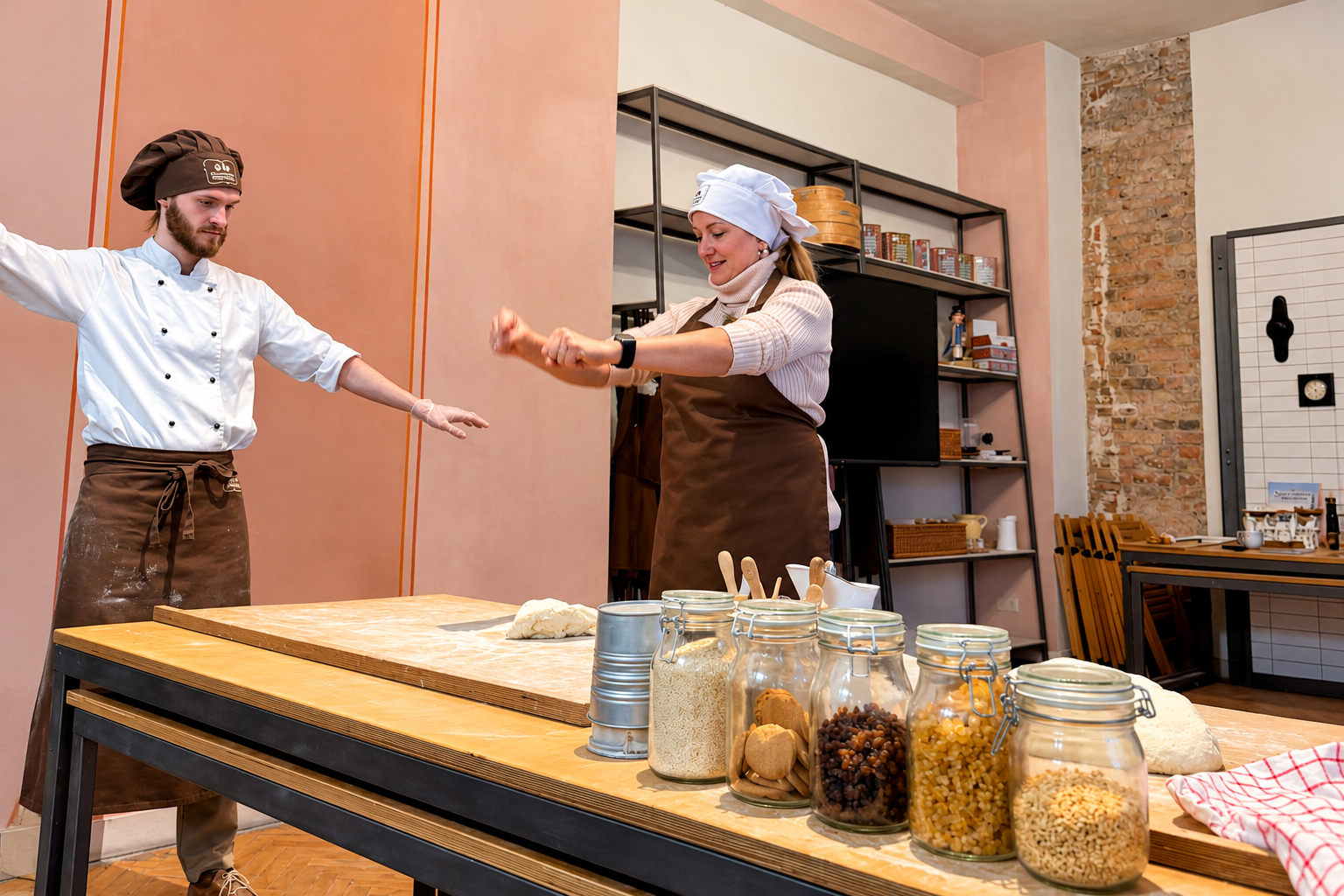
The pastry is filled with a rich mixture featuring white poppy seeds, nuts, raisins, candied orange peel, and spices. It is then baked and traditionally finished with icing and chopped nuts.
The result is a substantial, sweet pastry that pairs beautifully with a cup of coffee.
These croissants are an important part of Poznań's culinary heritage and are especially associated with St. Martin's Day on November 11, which was being celebrated around the time of my visit.
They even have protected regional status, meaning authentic St. Martin's croissants must meet specific production requirements.
I love traditions like this because they tell you something about a place's people and culture. Food isn't simply something to enjoy between sightseeing stops. It is part of the destination's history.
And after learning how much work goes into making one of these pastries, I have a new appreciation for the local bakers!
Christmas Was Coming to Poznań
While I was visiting, the city was busy preparing for its Christmas market season.
Everywhere you looked, preparations were underway for what locals call Poznań Bethlehem, the city's festive holiday celebration.
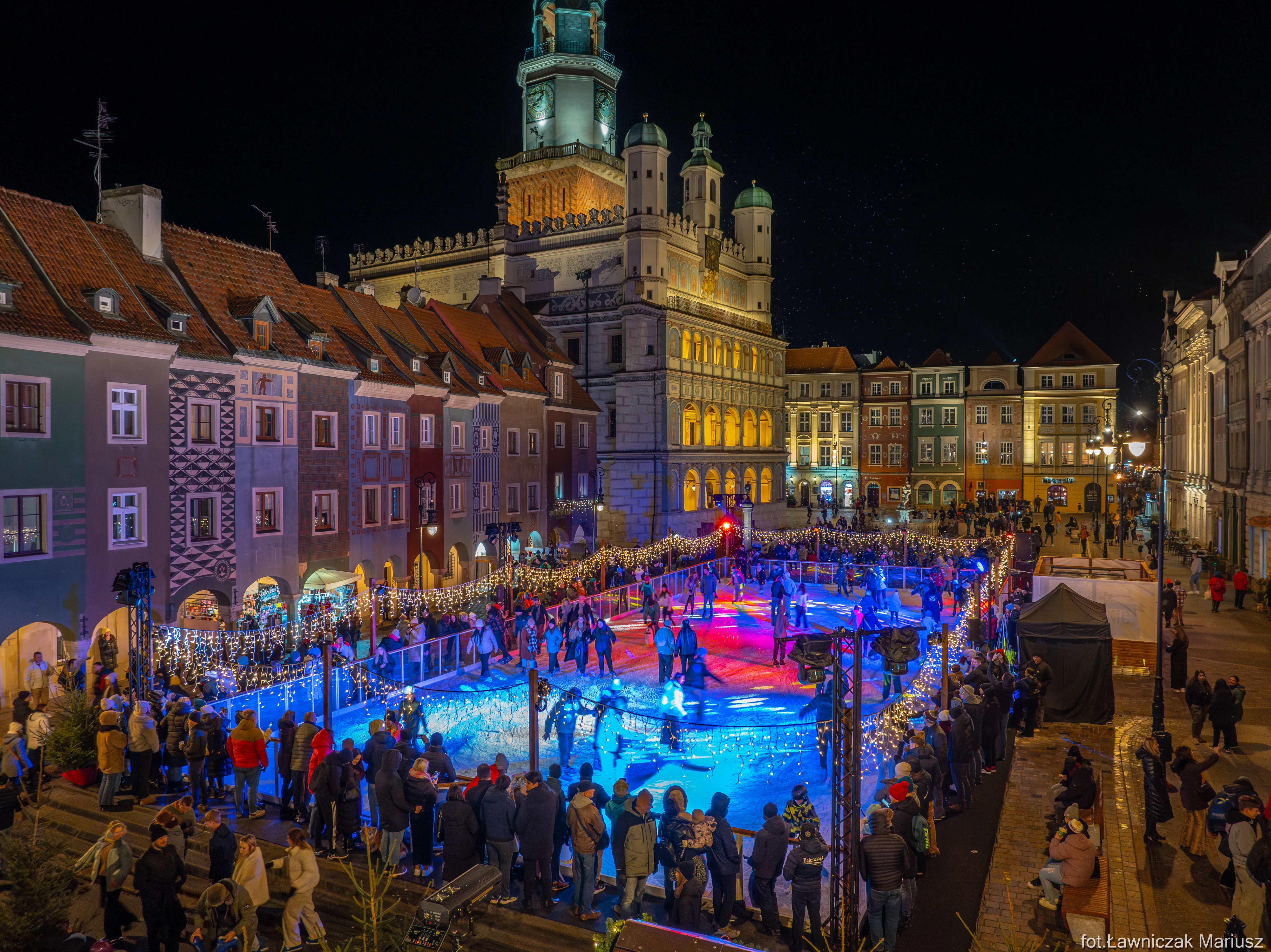
The markets traditionally feature wooden stalls selling holiday decorations, handcrafted gifts, regional foods, warm drinks, and seasonal treats.
Poznań also hosts the POZnań Ice Festival, where artists create impressive sculptures from blocks of ice.
Unfortunately, I visited during preparations rather than the full Christmas market season, but seeing the city get ready gave me a good sense of how beautiful it would be once the lights were on and the festivities began.
One reason I would recommend Poznań for a Christmas market trip is that it offers an alternative to some of Europe's most famous holiday destinations.
Germany and Austria are wonderful choices, but cities such as Munich, Vienna, and Nuremberg can draw enormous crowds during the holiday season.
Poznań offers a chance to enjoy Polish Christmas traditions, beautiful historic architecture, and regional food in a destination less familiar to many American travelers.
That doesn't mean you'll have the markets to yourself, especially on weekends, but it does make Poznań worth considering for a different kind of European Christmas experience.
Why I Think Poznań Deserves More Attention
After four nights in Poznań, I came away with a much better understanding of what makes this city special.
It's a place where you can spend the morning exploring the origins of the Polish nation, the afternoon learning about Renaissance merchants, and the evening enjoying traditional Polish food in a beautiful historic setting.
The city is also manageable for a shorter stay, making it an interesting addition to a larger European itinerary.
Located between Berlin and Warsaw, Poznań could work particularly well for travelers interested in exploring Poland alongside Germany or other Central European destinations.
For my clients, I would especially recommend considering a knowledgeable private guide. My day exploring Cathedral Island and Old Town was one of the most valuable parts of the trip, and I would have found it hard to appreciate the stories in the same way on my own.
And, of course, make time for the food!
You don't have to spend every day visiting museums or historic monuments. Sometimes a wonderful local meal, a conversation with a guide, or learning how a traditional pastry is made tells you just as much about a destination.
Sometimes the Best Trips Become Personal
When I accepted the invitation to visit Poznań, my goal was to learn more about a destination I could confidently recommend to my clients.
I accomplished that, but I also came home with something I hadn't anticipated.
Walking through the historic places where Poland began, learning about the country's difficult past, and seeing how important agriculture remains to the region gave me a different perspective on my own family's history.
I thought about my great-great-grandfather leaving Europe, finding work in Michigan, and eventually purchasing the farm that remains part of our family generations later.
It's a remarkable connection to carry with me.
And it's also a reminder of why I believe travel should be about more than beautiful hotels and famous landmarks. Those things certainly have their place, but the experiences we remember most often come from the people we meet, the stories we hear, and the connections we make along the way.
Poznań may not be the first city that comes to mind when you think about visiting Europe, but after spending four nights there, I can tell you it's a destination worth getting to know.
And if you go, don't leave without trying a St. Martin's croissant!
Thinking about exploring a different side of Europe? I'd love to help you discover destinations like Poznań, where the history, local experiences, and wonderful food make the journey memorable.